





Soft Washing Vs. Pressure Washing Comparison
Pressure Washing and Soft Washing are cleaning processes that utilize a pump, a hose, and a sprayed solution onto a surface needing to be cleaned to remove dirt, mold, and algae. Cleaning solutions can be directed through the hose and applied to the house or surface being cleaned effortlessly with these systems.
Pressure Washing
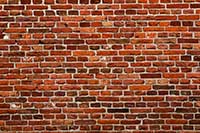
Water is pressurized, sprays at 1000's of PSI to remove mold, algae, and dirt. The advantage of this process is that you can utilize fewer cleaners when cleaning, and you can provide a more thorough cleaning for tougher surfaces such as concrete, aggregate, brick, etc. Pressure washing is 100% safe when appropriate equipment and trained technicians conduct the work.
Soft Washing
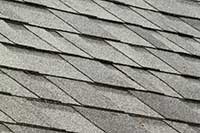
Water is pressurized, sprays at 60 – 150 PSI to remove mold, algae, and dirt. This process consists of a higher concentration of cleaners at less pressure. Soft washing uses cleaners to loosen the dirt before rinsing to remove it. Less pressure being applied to a home means there is a reduced chance of causing damage to vinyl, aluminum, wood, asphalt shingles, etc. Soft washing is 100% safe when appropriate equipment and trained technicians conduct the work.
The Verdict: Too Each Their Own
From a selling point, soft washing leads the way. People hear the word soft and automatically feel as though soft is a safer method of cleaning. From a cleaner's perspective, I have mixed feelings. A knowledgeable technician knows how to manipulate their tools to lower the pressure to obtain positive, safe results with the pressure cleaning process. This option is better for the environment and plant life that surrounds a home. Pressure cleaning is also necessary for cleaning driveways, sidewalks, and other tough surfaces that soft washing cannot clean thoroughly. However, asphalt shingles should always be soft washed.
When the Pressure Washing Option is Chosen:
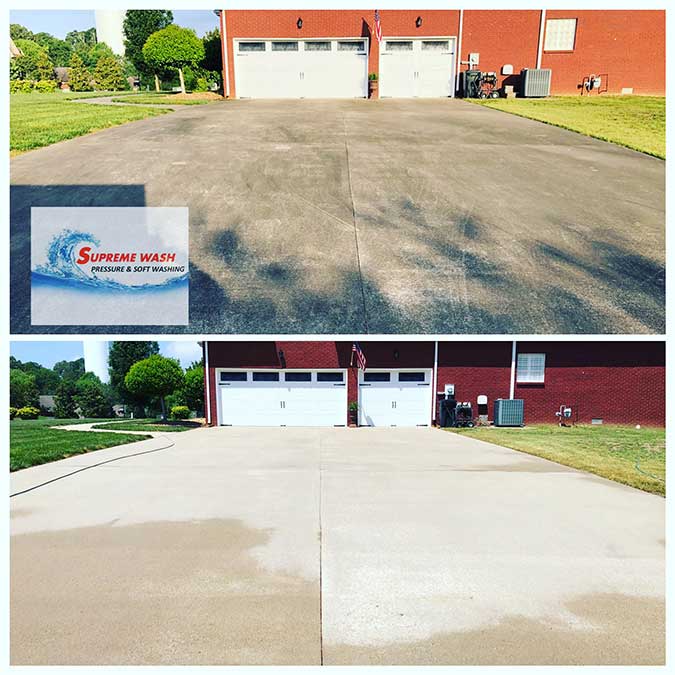
A Professional Pressure Washing Service is highly recommended when the surfaces are hard and very resilient (concrete or brick) to damage of any kind from pressure. A Professional Pressure Cleaning Service will also know the proper ratios needed for a downstream injector (a siphon device that sucks up the cleaners from a tank and into the hose) to dilute cleaners to safely use on the siding of your home.
The procedure here is to apply the solution and let it dwell long enough to loosen up the mildew or soiling when you hit it with pressure or hot water. Since the solution concentrate is back seat to pressure, one can begin pressure washing within about 5 minutes or so of applying the solution. It is always best practice to apply the solution with a professional-grade surfactant (which contains wetting agents to keep the Sodium Hypochlorite solution wet longer) to maximize the cleaning process and kill any mildew algae spores that are present.
When the Soft Washing Option is Chosen:
A Soft Washing Service should come from a Professional Pressure Washing Service provider with the right Soft Washing equipment and knowledge to mix the cleaners correctly. I would recommend a Soft Washing process on surfaces that are notoriously hard to get clean with pressure or would be damaged if one were to use high pressure on them.
Soft Washing requires being cognitive of your landscape and of the surface you are washing. Direct harm can happen to the landscape if the plants are not pre-soaked with water before treatment begins.
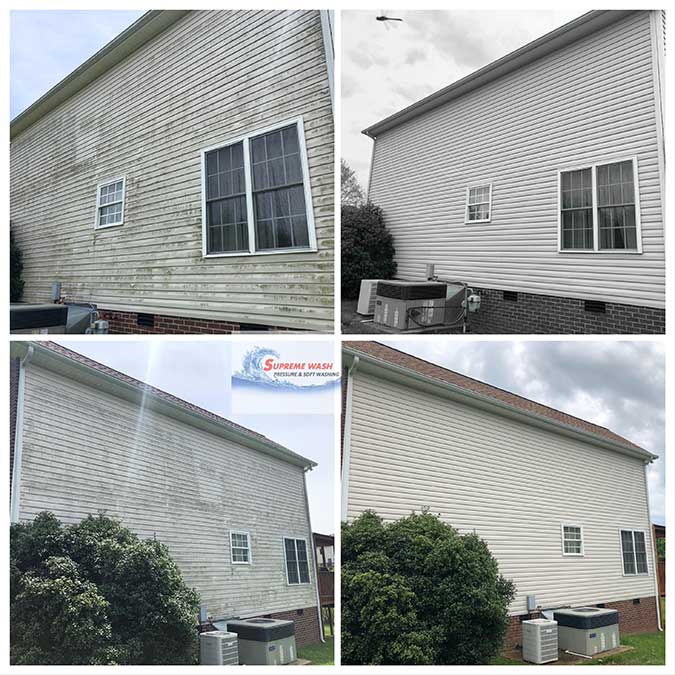
How To Soft Wash Your Home: Start by premixing Sodium Hypochlorite and surfactant, (you want to make sure that you use the correct amount because you do not want visible bubble bath like suds on the house, nor do you want too much SH as this could harm the siding) many Professional Soft Washing companies choose to use a proportioner system that does this automatically to control the flow and ratio of cleaners on the fly. Then, pre-soaked the landscape with water, start applying your mix. Now, allow the solution to dwell on the siding. Come back in a few minutes and see how the solution affected the mildew or algae. When dealing with Vinyl Siding, you may only need to apply once. If you are cleaning a more porous stubborn surface like stucco, you may need to increase your proportioner concentration and re-apply. Apply as many times as you need to get the desired result, then turn all cleaners off and rinse with pure water. Rinse enough to dilute all cleaners that were present.
The secret to great results in pressure washing and soft washing is to understand your equipment and cleaners' capabilities. Many Professional Soft Washing Companies have access to cleaners at concentrations that consumers cannot obtain at the local box store. They can also control what concentrations get sprayed when and where with the twist of a knob. If you are considering getting this service for your home, make sure that you hire a reputable company with great reviews and a wealth of knowledge.