




How to Clean a TPO or PVC Roof
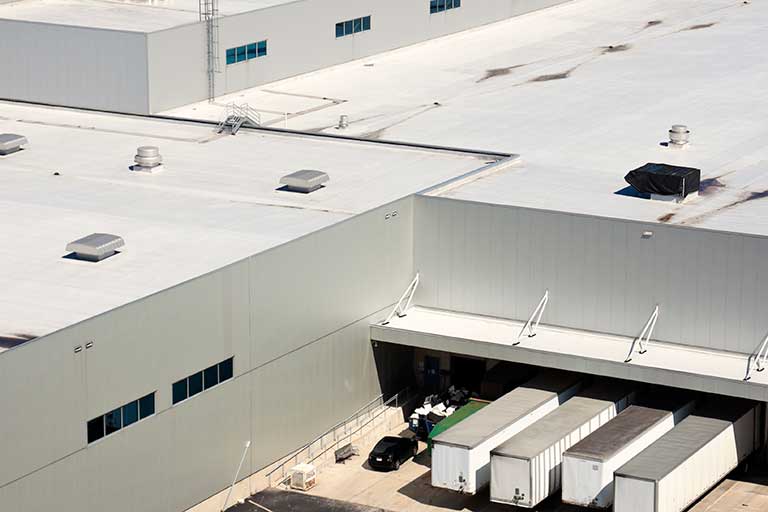
TPO, or thermoplastic polyolefin, is one of the most popular membrane materials used in commercial roofing. It provides low-slope roofs durability, energy efficiency, and flexibility. A building owner invests a great deal into a low-slope roof, but the job doesn’t end after installation. Like other roofing materials, a TPO roof must be cleaned and maintained regularly to perform well throughout its service life. So, it is important for contractors to explain the value of maintenance, including cleaning. Most importantly, it allows the roofing material to perform as it should.
Routine cleaning should be included in the regular roofing system maintenance regiment, to include:
- Keeping the surface white so it can provide maximum reflective properties and its associated energy conservation benefits.
- Preventing the accumulation of dirt and debris, which can act as a nutrient source for algae and other plant growth.
- Preventing the accumulation of food sources for birds and other pests.
- Preventing the accumulation of chemical contaminants on the roof surface that may harm the membrane and reduce its performance life.
Supreme Wash shares industry standards and manufacturer recommended tips on TPO roof cleaning and maintenance.
Safety Tips
Because of safety concerns and the potential for roof membrane damage, Supreme Wash recommends you take the following precautions:
- First, only trained professionals should be allowed on the roof to avoid any damage to the integrity of the roofing system.
- Fall safety requirements must be followed—a wet, single-ply membrane is slippery. Use caution and follow all fall safety requirements.
- Avoid walking on surfaces where the cleaning solution has not been rinsed away.
- Where the run-off may come in contact with exterior facades, test a small area to ensure there are no harmful effects to the exterior of the structure from the cleaning solution.
- Be sure to make accommodations for the run-off cleaning solution to avoid damage to plants and groundwater contamination. Always comply with all local, state, and federal requirements for water run-off.
Cleaning Tips
How often should a low-slope roof be cleaned? It depends on several factors such as the severity of environmental contaminants, the frequency of rainfall, the tendency for dirt and dust to accumulate, and the roof slope and drainage characteristics. Note: Some roof surfaces may not require routine cleaning, and others may require cleaning on a more frequent basis.
Cleaning as Part of Roof Maintenance
When cleaning TPO or PVC membranes, cleaning professionals should follow these tips:
- Protect any low curbs, base flashing, or other areas where water could enter from the use of a pressure washer.
- Protect plants, shrubbery, and exterior facades from the run-off of the cleaning solution.
- Use low-pressure (2,000 psi or lower) to clean and rinse off the top layer of dust and dirt.
- Use a soft-bristled, long-handled brush or floor broom with a cleaning solution consisting of a mild, non-abrasive household detergent and water to clean the surface of the roof membrane, taking care to not damage the top surface of the membrane.
- Rinse the roof completely with the low-pressure power washer to rinse the cleaning solution off the roof.
- Inspect the membrane and ensure no damage has occurred; repair any incidental damage per manufacturer guidelines. NOTE: You may have to spot clean areas to make repairs before starting the entire cleaning project.
Proper maintenance and cleaning should be offered to a building owner after every installation to help extend the life of their investment.
TPO Roofing Repairs FYI
TPO roofing membrane repairs can be made by several methods, depending on the type of repair needed:
- Scoring surface with a kitchen scrubber, priming with TPO primer, and using M1 sealant.
- Scoring surface with a kitchen scrubber, clean with Eternaclean, and sealing with Eternabond RoofSeal roof repair tape. In cold weather (less than 45F), preheat / warm Eternabond to room temperature. If very cold, warm the repair area after application with a hot-air gun (or heavy-duty hairdryer) and roll-in product aggressively while heating.
TPO Roofing Membrane is a popular reinforced thermoplastic polyolefin. It is formulated from a proprietary compound of ethylene-propylene rubber and polypropylene. TPO roofing is an environmentally friendly roofing material that provides good weatherability, fire, and chemical resistance. The seams and details of TPO are hot air welded. TPO roofing membrane is thermoplastic in nature, which allows it to be hot air welded. TPO shows little change after weathering and provides good resistance to a broad range of chemicals. TPO roofing is used for large commercial, industrial and institutional applications. The material is generally available in white color and can be specially ordered in other colors. Rolls are sold in thicknesses of 45 mil, 60 mil, and 80 mils in 3- to 12-foot-wide rolls.
When it comes to general roof cleaning, turn to Supreme Wash Pressure & Soft Washing. You can be sure of our experience and manpower to care for your residential and commercial roof cleaning, big or small.